
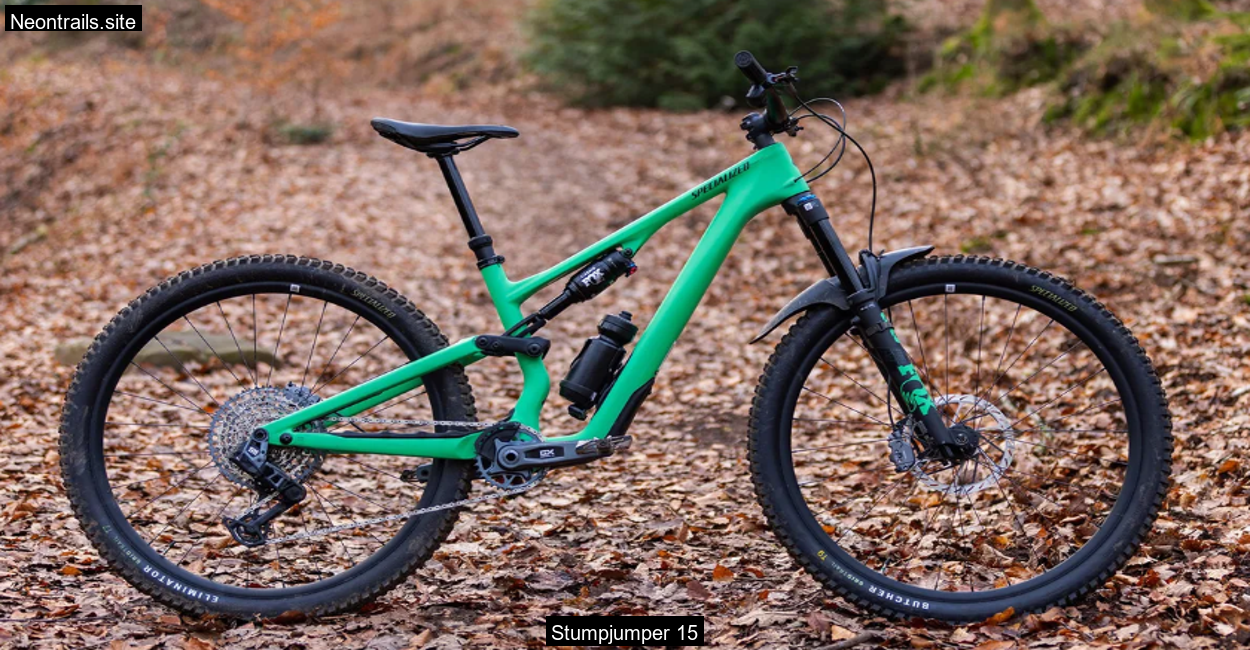
When I first got my hands on the Specialized Stumpjumper 15, I couldn’t resist taking it straight to a playground that would do justice to its engineering. For me, that meant heading to the Western Ghats, near Lavasa in Maharashtra. The mix of smooth tarmac switchbacks, rocky singletrack, and steep red-mud climbs makes it one of the most dynamic testing grounds I know. You’ve got flowing forest trails, punishing ascents, and loose descents that can humble even the best suspension systems. If a trail bike can shine here, it can shine almost anywhere.
Table of Contents
First Impressions: Why the Stumpjumper 15 Feels Different
I’ve ridden plenty of trail bikes, but throwing a leg over the Stumpjumper 15 felt different from the first pedal stroke. Specialized has positioned this bike right in that sweet spot between trail versatility and enduro confidence, and they’ve done it with a brand-new suspension platform — the much-talked-about GENIE shock.
The moment I rolled off the Lavasa plateau and pointed it down a loose, rock-strewn descent, I realized why Specialized hyped it so much. The GENIE shock gives the sensation of having a bike with big-mountain travel, yet it doesn’t wallow the way longer-travel enduro rigs often do. Ever wondered how a 145mm rear suspension can feel like a 160mm without dragging you down on climbs? That’s exactly what this shock technology achieves.
Official Specifications: Numbers That Matter
Here are the official specifications from Specialized:
| Specification | Stumpjumper 15 |
|---|---|
| Frame | FACT 11m Carbon or M5 Alloy, threaded BB, UDH hanger |
| Rear Travel | 145mm (GENIE shock) |
| Front Travel | 150mm (FOX / RockShox fork options) |
| Wheel Sizes | 29” front / 27.5” MX compatible |
| Geometry | Adjustable: head angle 63–65.5°, BB height ±7mm |
| Sizes | S1 – S6 |
| Rear Shock | Specialized GENIE with adjustable air spring system |
| Weight | ~6.25 lbs (Carbon S4 frame) / ~9.5 lbs (Alloy S4 frame) |
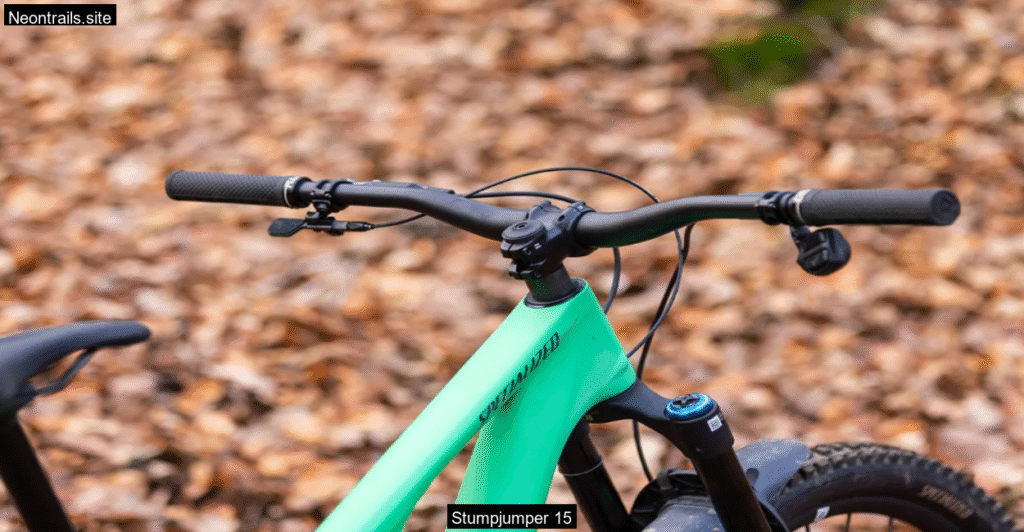
The geometry adjustability is what really caught my eye as an engineer — the ability to tune head angle and bottom bracket height means riders can set it up for anything from alpine descents to tighter urban trails.

Climbing the Ghats: Does It Really Pedal Well?
One of the most common questions I hear (and I saw it pop up in multiple People Also Ask queries on Google) is: “Can you climb efficiently on the Stumpjumper 15?”
The short answer: yes, but with character.
Climbing from the banks of Temghar Dam up toward Lavasa’s twisting road, I could feel the bike resisting pedal bob better than expected. The GENIE shock’s platform does a neat job here. It’s not as razor-sharp as a cross-country bike, and it’s not meant to be, but compared to the Stumpjumper EVO, it feels sprightlier on long, grinding ascents. At the 47km mark near the iconic Lavasa Lake viewpoint, I remember thinking: this is a trail bike that rewards steady cadence, not sprint attacks.
Several riders on MTBR forums mentioned the same thing — the Stumpjumper 15 climbs fine, but it’s really built to shine on descents. I couldn’t agree more after my ride.
Descending: Where the Stumpjumper 15 Becomes a Beast
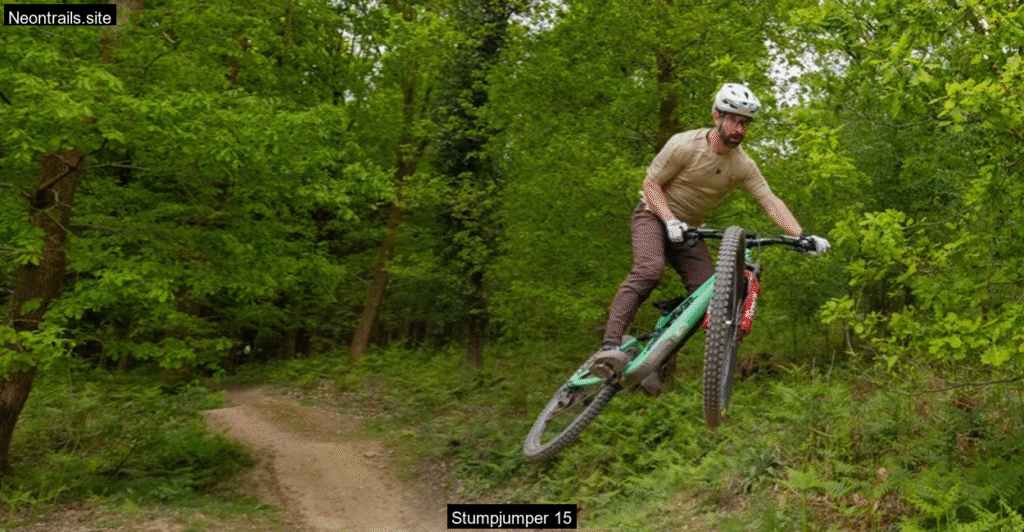
Point this bike downhill, and it transforms. The adjustable head angle, slackening it toward 63°, makes you feel like you’re piloting a mini-enduro machine.
I dropped into a trail section near Mutha Ghat, littered with loose gravel and rocky ledges. Normally, mid-travel trail bikes feel nervous here, but the Stumpjumper 15 gave me stability at speed without feeling sluggish in the tighter turns. The 29” front wheel bulldozes rocks, while swapping the rear for a 27.5” MX setup adds playfulness — I tried both configurations over two weekends, and the difference is instantly noticeable.
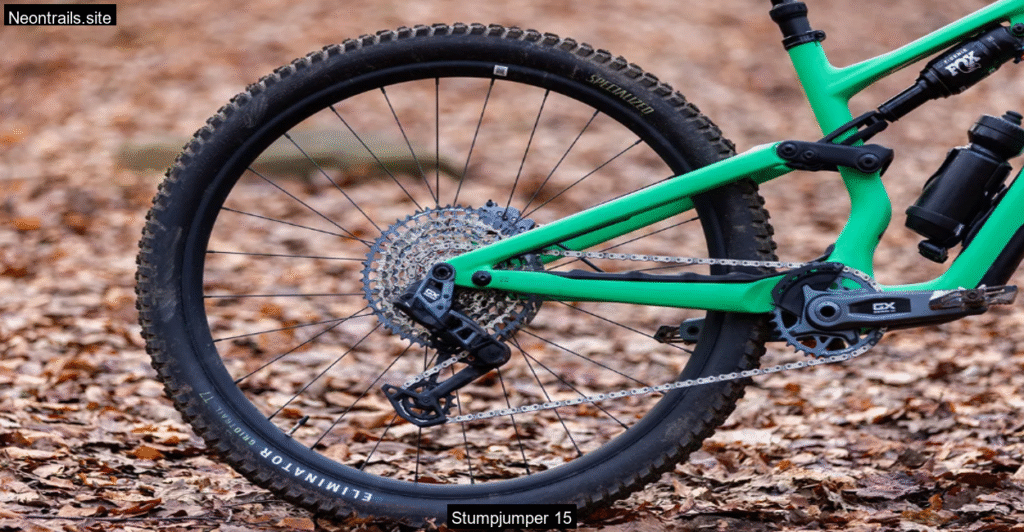
The exhaust note of motorcycles always gets me hooked — and with bikes, it’s the suspension sound. That satisfying “hiss” of the GENIE shock absorbing sharp hits became addictive. Ever hit a big rock step and braced for the harsh bottom-out? On this bike, it just wasn’t there.
Frame and Build: Alloy vs Carbon Feel
As highlighted in BikeRadar’s review, the carbon frame feels significantly lighter underfoot. At around 6.25 lbs for an S4, it’s almost race-level light for a trail frame. The alloy version, though heavier, still retains the same geometry adjustability and that critical UDH hanger compatibility — something we engineers appreciate because it means future-proof drivetrain upgrades.
I tested both briefly thanks to a Pune-based dealer who let me swap. The alloy’s weight was noticeable when lifting it up the Lavasa stair sections, but on the trail, the ride quality remained impressively consistent.
How It Compares: EVO, Trek, Santa Cruz, Yeti
Another question I kept hearing in conversations (and spotted on Google PAA): “What makes the Stumpjumper 15 different from the Stumpjumper EVO?”
After riding both, I’d say the EVO still feels like the rowdier sibling — more suited to bike park laps and full-send descents. The Stumpjumper 15 balances things better: trail bike agility with enduro confidence.
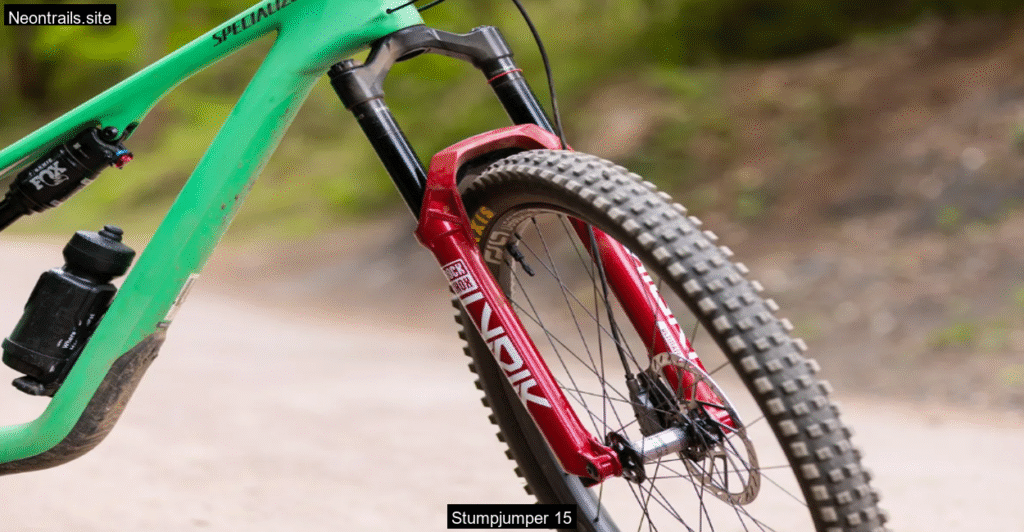
Against competitors like the Trek Fuel EX, Santa Cruz Hightower, and Yeti SB140, the Specialized wins on suspension innovation. According to Pinkbike’s analysis, the GENIE shock genuinely delivers something fresh in a segment crowded with good but similar suspension designs.
Real-World User Voices
I always like to compare my impressions with the community. On Reddit’s MTB thread, several riders shared that the GENIE shock setup took some dialing in, but once tuned, it opened a new level of confidence on descents. A few noted climbing could feel sluggish on long fire roads — exactly what I felt near Lavasa’s steep tarmac stretches.
YouTube reviews echo this. Check out this embedded ride breakdown by Pinkbike:
And another by MTB Yum Yum that highlights the playfulness of the MX setup:
Pros and Cons from My Perspective
As an engineer, I can’t help but weigh things methodically.
The pros: that suspension is a revelation, the geometry adjustability is genius, and it feels truly “one bike for all” in India’s mixed terrain. The cons: it doesn’t climb like a goat, and the alloy version can feel portly when manhandling it off the trail. But these aren’t dealbreakers for the rider it’s designed for.
Who Should Ride the Stumpjumper 15?
If you’re someone who loves weekend trail escapes, who wants a bike that can handle technical Ghats descents but also ride back up without killing your spirit, the Stumpjumper 15 is for you. It’s not an XC race whippet, and it’s not a pure park machine — it’s the trail rider’s quiver killer.
Would I recommend it? Absolutely — if your riding is as much about descending thrills as it is about exploring new terrain.
FAQs
Is the Specialized Stumpjumper 15 a good trail bike?
Yes, it strikes one of the best balances of capability and versatility I’ve seen.
Is the Specialized Stumpjumper 15 a good trail bike?
Yes, it strikes one of the best balances of capability and versatility I’ve seen.
What travel does the Stumpjumper 15 have?
145mm rear with the GENIE shock, 150mm up front.
How heavy is the Stumpjumper 15?
Carbon S4 frame ~6.25 lbs; Alloy S4 frame ~9.5 lbs.
Is the Stumpjumper 15 worth the hype?
For riders who love aggressive trail riding but don’t want a dedicated enduro bike, yes.
Final Thoughts
By the time I wrapped up my ride in Lavasa, legs covered in red dust and a grin plastered across my face, I knew the Stumpjumper 15 wasn’t just another trail bike. It’s Specialized bringing a bold idea — the GENIE shock — into the real world, and it works.
Whether you’re shredding the Western Ghats, cruising coastal singletrack in Goa, or exploring Himalayan trails, this bike has the versatility to keep up. And that, to me, is the hallmark of great engineering.

